

Game #8 - Resident Evil Village (PlayStation 5)
Acquired: 12.02.2026 - Started: 24.02.2026 - Finished: 28.02.2026 (Story), 02.03.2026 (Shadows of Rose)
The next game on the Resident Evil journey is a return to the action horror genre with Resident Evil Village, which Capcom released back in 2021. The first game was a return to the survival horror genre as well as the classic Resident Evil 1 format of a building that featured various different areas that you slowly unlock over the course of the game, but here Capcom decided to take a different approach with inspiration from Resident Evil 4 as well as a few other parts of the franchise from what I have encountered.
Resident Evil Village wraps up the Ethan Winters storyline from Resident Evil 7: Biohazard, which is a rare case considering Capcom has always brought back characters for different instalments throughout the series whether it be a spin-off or mainline game. While Ethan as a character isn't as developed as the rest of the cast, I did enjoy the journey and the way the story concluded here was pretty good. The game also clears up some mysteries that were introduced from the previous game. Chris Redfield also makes an appearance and had his character model updated based on the reception from the previous game, so rather than modelling the design from the classic OG, they went back to the look he had from Resident Evil 5 & 6.
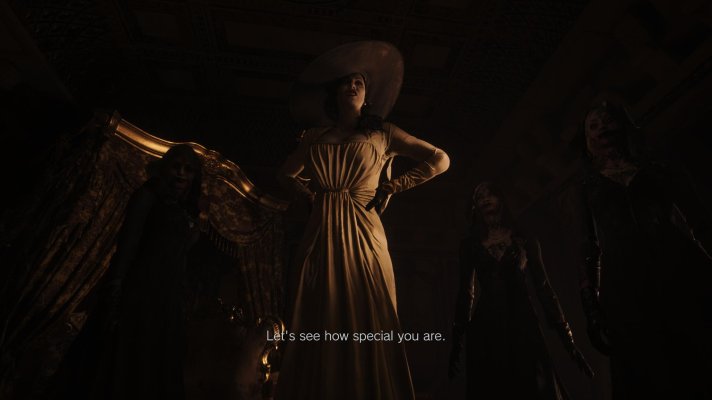
I do think the way Chris Redfield handled his approach to Ethan to be a mixed bag, though his team do take the piss out of him later when you learn more about what was going on. The antagonists of the game were very good though, but the ones that stood out the most were Lady Dimitrescu and Heisenberg who each were voiced well and held a great presence in their parts of the story. Resident Evil is known for their biohazard creatures so it was interesting to see they take inspiration from fantasy and folklore with this instalment, with the likes of werewolves, vampires, dolls, sea monsters and experimental tech throughout.
The game also features a new merchant called The Duke who is probably my favourite character. His presence was felt with a great sense of mystery whilst also helping you with providing new weapons, ammo, and items. He can also cook which adds a new way to improve your health and guarding which is unique. The Duke also has a fun reference to Resident Evil 4 which suggests there's more merchant characters in this world.
As you can probably guess, Resident Evil Village is like a spiritual successor to Resident Evil 4 with its setting and gameplay. The survival horror elements does remain thanks to two major sections, one being inspired by Resident Evil 2 and another from Resident Evil 7: Biohazard's tech demo Kitchen, but in general Ethan will pretty much have his own suitcase full of weapons, items and other goodies to pretty much kill every biohazard that gets in his way. If you finish the game, especially on higher difficulties, you can also unlock infinite ammo and stronger weapons plus there's the Mercenaries mode if you want to pull off more moves.
I really enjoyed the discovery and progression in this game. The Village is a hub where you can unlock more places to explore as you progress the story, including new weapons and treasures that you can unlock to sell for more cash. Every enemy you defeat will also provide ammo, crafting material, money or treasure and you can use all of this to sell to The Duke and be able to upgrade your gear. I took a slightly different approach by holding off on upgrading my pistol and shotgun until I picked up a new version a little bit later into the story so that I can put all of my funds towards upgrading them both which worked out well.
You can also ultilise pipe bombs, landmines, grenade launchers and there's a knife as well, but considering Ethan isn't as skilled as Leon or Chris, you don't have an option to sidekick or yeet any enemies that get stunned or knocked out by your attacks which is a shame but I suppose it would have gotten in the way of the first-person angle especially considering Capcom were hiding Ethan's face throughout the whole game. That is, unless you acquire the Winters Expansion which allows you to play the entire game in third-person mode. You can also play the entire story in PlayStation VR2 but trophies will not unlock from what I have heard.
There are also a couple surprise mini-bosses here and there and I took on most of them except for one which pretty much used up all of my ammo so I focused on grabbing the treasure that I needed and ran. There's also four mini-game puzzles that you can use if you locate the ball that's related to them. The idea is that you need to rotate the design so that you can get the ball to its destination like Kororinpa which was a lot of fun. There's also a few treasure crates in some areas that you can investigate if you have the right components to access some areas like a crane gear or a key.
My playthrough for Resident Evil Village took 9 hours 16 minutes playtime on standard difficulty. I managed to locate all of the files, the deer collectibles and pretty much found every treasure that I could find thanks to the game bringing back the blue/red visuals to the rooms that previous Resident Evil games had (except for the last one). I went through the story in first-person but if I ever decide to revisit the game I'll give it a go at third-person.

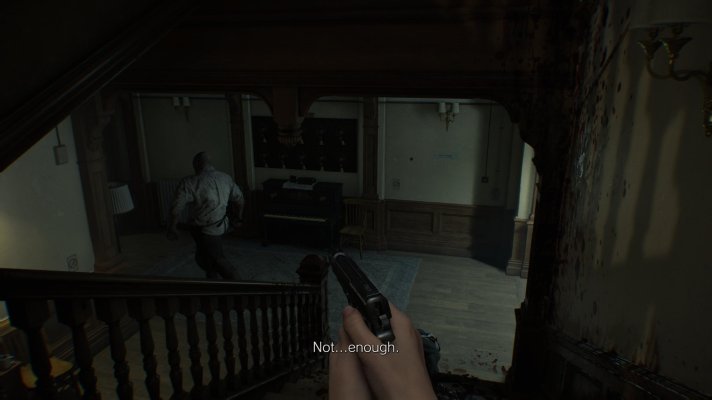
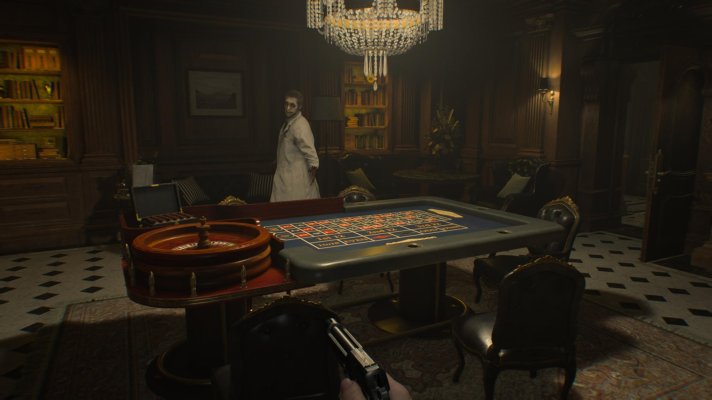
I also had a go at Shadows of Rose storyline, which is part of the Winters Expansion DLC pack. This is focused on the character Rose years after the events of Resident Evil Village. Even though the expansion pretty much re-uses a lot of the assets from the base game it does change up a lot of the gameplay including putting the game into third-person. Capcom decided to explore more of the survival horror roots with the story, so Rose won't have much in terms of weapons therefore you need to avoid and run from enemies that were around you whenever possible. The house segment from the base game is also back with even more horrifying ways to the point where my heartrate went up to 120. It's a solid experience and adds more closure to the Winters storyline. My playtime with this story was 2 hours 41 minutes.
Overall, Resident Evil Village was a very fun and entertaining experience and a solid addition to the franchise. Sure the story in parts was pretty daft and they went back to the action genre, but it's more in-line with Resident Evil 4 than Resident Evil 5 & 6 in terms of tone. There's a lot of great stuff throughout and while its not as perfect as Resident Evil 4 I do recommend giving it a go.
Resident Evil Village wraps up the Ethan Winters storyline from Resident Evil 7: Biohazard, which is a rare case considering Capcom has always brought back characters for different instalments throughout the series whether it be a spin-off or mainline game. While Ethan as a character isn't as developed as the rest of the cast, I did enjoy the journey and the way the story concluded here was pretty good. The game also clears up some mysteries that were introduced from the previous game. Chris Redfield also makes an appearance and had his character model updated based on the reception from the previous game, so rather than modelling the design from the classic OG, they went back to the look he had from Resident Evil 5 & 6.
I do think the way Chris Redfield handled his approach to Ethan to be a mixed bag, though his team do take the piss out of him later when you learn more about what was going on. The antagonists of the game were very good though, but the ones that stood out the most were Lady Dimitrescu and Heisenberg who each were voiced well and held a great presence in their parts of the story. Resident Evil is known for their biohazard creatures so it was interesting to see they take inspiration from fantasy and folklore with this instalment, with the likes of werewolves, vampires, dolls, sea monsters and experimental tech throughout.
The game also features a new merchant called The Duke who is probably my favourite character. His presence was felt with a great sense of mystery whilst also helping you with providing new weapons, ammo, and items. He can also cook which adds a new way to improve your health and guarding which is unique. The Duke also has a fun reference to Resident Evil 4 which suggests there's more merchant characters in this world.
As you can probably guess, Resident Evil Village is like a spiritual successor to Resident Evil 4 with its setting and gameplay. The survival horror elements does remain thanks to two major sections, one being inspired by Resident Evil 2 and another from Resident Evil 7: Biohazard's tech demo Kitchen, but in general Ethan will pretty much have his own suitcase full of weapons, items and other goodies to pretty much kill every biohazard that gets in his way. If you finish the game, especially on higher difficulties, you can also unlock infinite ammo and stronger weapons plus there's the Mercenaries mode if you want to pull off more moves.
I really enjoyed the discovery and progression in this game. The Village is a hub where you can unlock more places to explore as you progress the story, including new weapons and treasures that you can unlock to sell for more cash. Every enemy you defeat will also provide ammo, crafting material, money or treasure and you can use all of this to sell to The Duke and be able to upgrade your gear. I took a slightly different approach by holding off on upgrading my pistol and shotgun until I picked up a new version a little bit later into the story so that I can put all of my funds towards upgrading them both which worked out well.
You can also ultilise pipe bombs, landmines, grenade launchers and there's a knife as well, but considering Ethan isn't as skilled as Leon or Chris, you don't have an option to sidekick or yeet any enemies that get stunned or knocked out by your attacks which is a shame but I suppose it would have gotten in the way of the first-person angle especially considering Capcom were hiding Ethan's face throughout the whole game. That is, unless you acquire the Winters Expansion which allows you to play the entire game in third-person mode. You can also play the entire story in PlayStation VR2 but trophies will not unlock from what I have heard.
There are also a couple surprise mini-bosses here and there and I took on most of them except for one which pretty much used up all of my ammo so I focused on grabbing the treasure that I needed and ran. There's also four mini-game puzzles that you can use if you locate the ball that's related to them. The idea is that you need to rotate the design so that you can get the ball to its destination like Kororinpa which was a lot of fun. There's also a few treasure crates in some areas that you can investigate if you have the right components to access some areas like a crane gear or a key.
My playthrough for Resident Evil Village took 9 hours 16 minutes playtime on standard difficulty. I managed to locate all of the files, the deer collectibles and pretty much found every treasure that I could find thanks to the game bringing back the blue/red visuals to the rooms that previous Resident Evil games had (except for the last one). I went through the story in first-person but if I ever decide to revisit the game I'll give it a go at third-person.
I also had a go at Shadows of Rose storyline, which is part of the Winters Expansion DLC pack. This is focused on the character Rose years after the events of Resident Evil Village. Even though the expansion pretty much re-uses a lot of the assets from the base game it does change up a lot of the gameplay including putting the game into third-person. Capcom decided to explore more of the survival horror roots with the story, so Rose won't have much in terms of weapons therefore you need to avoid and run from enemies that were around you whenever possible. The house segment from the base game is also back with even more horrifying ways to the point where my heartrate went up to 120. It's a solid experience and adds more closure to the Winters storyline. My playtime with this story was 2 hours 41 minutes.
Overall, Resident Evil Village was a very fun and entertaining experience and a solid addition to the franchise. Sure the story in parts was pretty daft and they went back to the action genre, but it's more in-line with Resident Evil 4 than Resident Evil 5 & 6 in terms of tone. There's a lot of great stuff throughout and while its not as perfect as Resident Evil 4 I do recommend giving it a go.
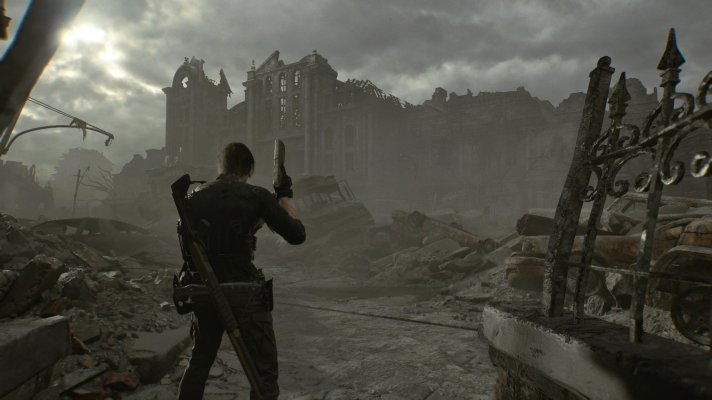
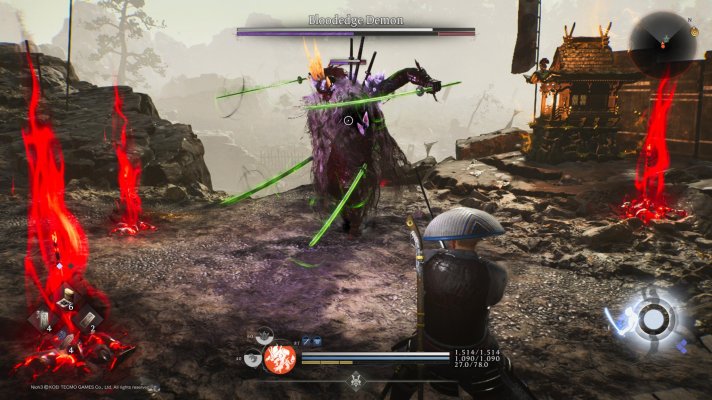
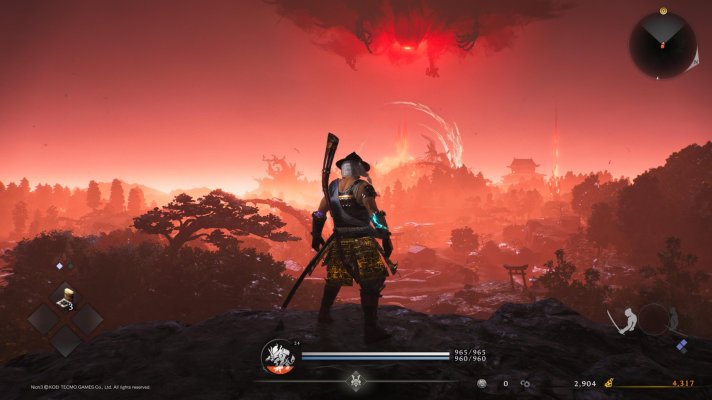
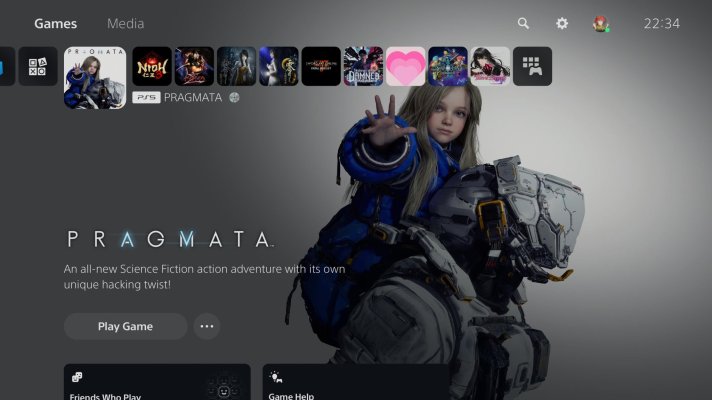
Resident Evil Requiem is now next. After that I'll try and play a few shorter games before delving into Nioh 3.







 Also, it's kind of nuts that this game just casually has Michael Jackson voicing one of the characters in it.





 it's the same with resident evil requiem that don't own yet.